
Living with Heart Disease: Understanding Your Pet’s Cardiac Medications
Hearing that your dog or cat has heart disease is overwhelming. You may feel uncertain about the diagnosis, confused by the medication names, or worried about what comes next. If this sounds familiar, you’re not alone. At Carolina Virginia Animal Hospital in Providence, NC, we’ve walked alongside families like yours for more than 40 years. Whether your pet is newly diagnosed or starting treatment, our team is here to explain medications like pimobendan, diuretics, and ACE inhibitors in plain language-and help you feel confident moving forward.
Because every heart is different, our state-of-the-art diagnostics allow us to get a clear picture of your pet’s heart function through ultrasound technology, digital X-rays, and in-house bloodwork. From there, we tailor a care plan focused on comfort, quality of life, and more time together.
What Heart Disease Means for Your Pet
Heart disease can look very different from pet to pet. Some animals are born with a heart condition. Others develop issues as they age. Common problems include weak heart muscles, leaky valves, abnormal heartbeats, and changes in blood pressure. Each type affects the heart’s ability to pump blood effectively and puts extra strain on the body.
Dogs often experience mitral valve disease, where the valve between heart chambers doesn’t close properly. In cats, hypertrophic cardiomyopathy, dilated cardiomyopathy, and restrictive cardiomyopathy are more common. Some pets have congenital heart disorders or a defect like patent ductus arteriosus that affects blood flow from birth.
These conditions are often progressive. That’s why early diagnosis and routine follow-ups are so important. With advanced imaging available through our diagnostics services, we’re able to detect changes before symptoms worsen-and make sure treatment keeps pace with your pet’s needs.
Symptoms That May Signal a Heart Problem
Heart disease doesn’t always show itself right away. But there are warning signs you can watch for at home. Recognizing heart disease signs early helps us start treatment before symptoms become severe.
Common signs include:
- Coughing, especially after rest or at night
- Changes in breathing or increased effort
- Fatigue during walks or play
- Reduced ability to exercise, where dogs who once enjoyed long walks now lag behind or ask to stop sooner
- Fainting or collapsing
- Swollen belly from fluid buildup
- Pale or blue gums
Cats are more subtle. You might notice open-mouth breathing or panting, a sudden drop in energy, or loss of appetite. Some cats with heart murmurs show no symptoms at all.
Heart rhythm issues like arrhythmias can also present with fainting or weakness. Another example is sick sinus syndrome, which disrupts the heart’s natural rhythm.
If you’ve noticed any of these symptoms, reach out to schedule a visit by calling 336.388.2021. Quick action can make a big difference.
How We Diagnose Heart Disease
Accurate diagnosis guides the right treatment plan. We use several tools to get a complete picture of your pet’s heart health:
Echocardiography
Echocardiograms use ultrasound to visualize your pet’s heart structure, measure chamber size, assess valve function, and evaluate how well the heart pumps. This non-invasive test helps us determine which medications will be most effective for your pet’s specific condition.
Electrocardiography
Electrocardiograms (EKG) record the heart’s electrical activity to identify rhythm abnormalities. This quick, painless test helps us detect arrhythmias that may require specific medications.
Other Diagnostic Tools
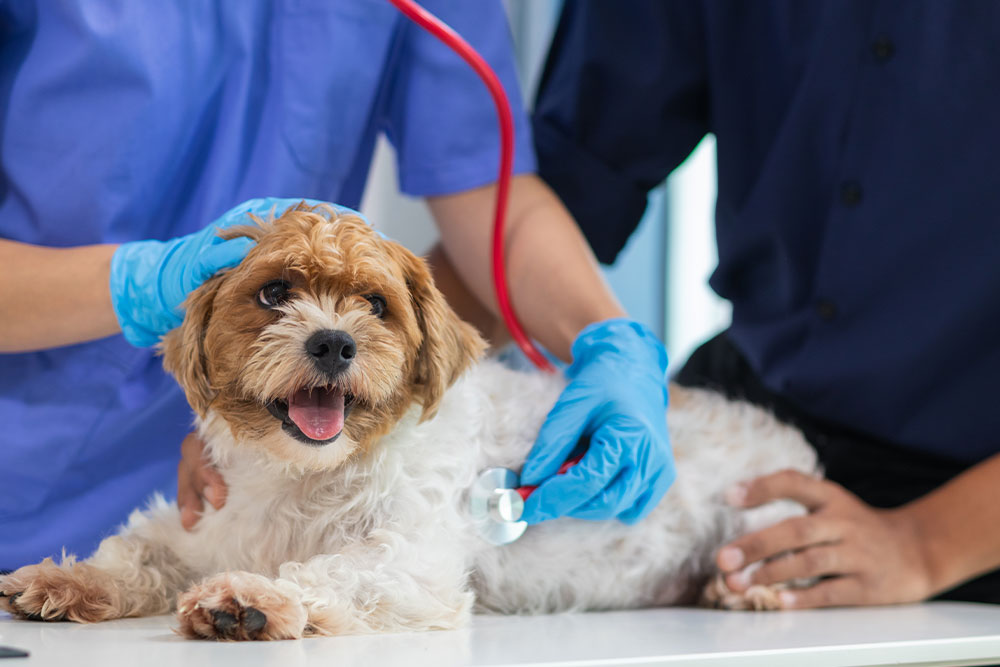
Digital X-rays show heart size and detect fluid in the lungs. Physical exams help us detect heart murmurs through careful listening with a stethoscope. Combined with bloodwork from our in-house laboratory, these tools provide a comprehensive view of your pet’s cardiac health and help us monitor how well treatment is working over time.
Our diagnostics capabilities allow us to perform most testing right here, giving you answers quickly so we can start treatment sooner.
Recognizing Congestive Heart Failure Warning Signs
Congestive heart failure occurs when the heart can no longer pump effectively enough to meet the body’s needs, leading to fluid accumulation in the lungs, abdomen, or both. Understanding these warning signs helps you recognize when your pet needs urgent care:
- Increased breathing rate at rest (over 40 breaths per minute while sleeping)
- Labored breathing or open-mouth breathing, especially in cats
- Coughing that worsens at night or when lying down
- Blue or pale gums indicating poor oxygen levels
- Weakness or collapse
- Distended abdomen from fluid accumulation
- Loss of appetite or sudden weight changes
Respiratory distress is always an emergency. If your pet shows labored breathing, gasping, or extreme restlessness combined with breathing changes, contact us immediately at 336.388.2021. Early intervention during CHF episodes can stabilize your pet and prevent life-threatening complications.
Many pets live comfortably for months or years with proper CHF management through medications, monitoring, and lifestyle adjustments. The key is recognizing changes quickly and working closely with our team to adjust treatment as needed.
Pimobendan: Strengthening the Heart’s Beat
Pimobendan is often one of the first medications prescribed for dogs with heart disease. It helps the heart beat more effectively by increasing the strength of its contractions while also relaxing blood vessels so blood flows more easily. This combination reduces the heart’s workload and helps improve circulation.
It’s especially useful for mitral valve disease and dogs with certain types of cardiomyopathy. In some cases, it may even be started before outward signs of disease develop, extending the time before symptoms appear.
We help you get started with clear instructions. Pimobendan is usually given twice daily on an empty stomach.
Diuretics: Managing Fluid Buildup
Fluid buildup is a common and serious problem in pets with heart failure. Diuretics, like furosemide, help remove excess fluid from the lungs, belly, and other tissues so your pet can breathe more easily and feel more comfortable. Furosemide is fast-acting and effective, often bringing quick relief from coughing or labored breathing. Other diuretics, such as spironolactone, may be added later to complement furosemide and provide added benefit.
Because diuretics also remove important electrolytes and can impact kidney function, regular monitoring through Complete Blood Counts, Blood Chemistry Panels, and other tests performed in our in-house laboratory is a key part of therapy.
ACE Inhibitors: Easing the Heart’s Workload
ACE inhibitors like enalapril and benazepril are important in managing systemic hypertension and congestive heart failure. They help relax blood vessels, lower blood pressure, and reduce fluid retention-making it easier for the heart to do its job.
They are often used alongside pimobendan and diuretics. The combination helps support overall heart function while addressing different aspects of the disease process. These medications are generally well tolerated but require regular bloodwork to check kidney values and electrolyte levels.
Other Cardiac Medications Your Pet Might Need
In certain cases, additional medications are needed to manage rhythm problems or specific heart conditions. Beta-blockers like atenolol can help slow the heart rate and reduce oxygen demand, especially in cats with hypertrophic cardiomyopathy.
Other antiarrhythmic drugs may be used for pets with irregular heart rhythms. These medications require careful dosing and close observation, which is why we often perform in-house EKGs and use our cutting-edge digital X-ray technology and ultrasound imaging to monitor treatment. Side effects such as low blood pressure or reduced activity can happen, so staying in touch with our team is key.
Combining Heart Medications for Best Results
Most pets with heart disease take more than one medication. That’s because each drug targets a different part of the disease. When used together, they can significantly improve quality of life and extend the time you have with your pet.
Your pet’s medication plan may evolve over time. As symptoms change or new challenges arise, we adjust medications to keep your pet feeling their best. This approach requires teamwork-you, your pet, and our experienced staff.
There are many effective heart disease medications available. Our goal is to find the right balance for your pet’s unique heart. With open communication and regular follow-ups, we can stay ahead of changes and make informed adjustments together.
Our team works closely with you to balance medications as the disease progresses. We don’t just follow a checklist-we make real-time decisions based on how your pet feels and what we see in our evaluations. Our geriatric care and chronic disease support services ensure that long-term management feels doable and aligned with your pet’s needs.
Tracking Medication Effectiveness at Home
There are simple ways you can help track your pet’s response to diuretics. Counting resting breaths is one of the most important things you can do at home:
- Count breaths per minute once daily while your pet is asleep
- Under 30 per minute is typical; over 40 can signal worsening fluid
- If rates climb, contact us right away
You can also:
- Weigh your pet weekly if possible. Sudden gain can indicate fluid retention; rapid loss may mean excess fluid removal or reduced appetite.
- Make sure fresh water is always available, as these medicines increase thirst and urination.
- Watch for lethargy, weakness, vomiting, or poor appetite, which can indicate dehydration or electrolyte issues.
If symptoms persist or worsen, reach out through contact us so we can reassess. Diuretic needs can change quickly. Staying in close contact with our team allows us to adjust treatment before issues escalate. You’re never bothering us-reach out anytime you need guidance.
Can Exercise Help My Pet’s Heart?
While it might seem counterintuitive, appropriate exercise can actually benefit pets with heart disease when done correctly. The key is finding the right balance based on your pet’s individual condition and stage of disease.
For dogs with early or well-managed heart disease, gentle, regular activity helps maintain muscle tone, supports healthy weight, improves circulation, and enhances overall quality of life. Heart-healthy exercise includes:
- Short, leisurely walks at your dog’s pace
- Gentle swimming in warm water if your pet enjoys it
- Slow-paced play sessions that avoid overexertion
- Indoor activities on days when weather or symptoms make outdoor exercise difficult
The most important rule is to let your pet set the pace. Stop if your dog shows signs of fatigue, increased breathing rate, coughing, or reluctance to continue. Avoid strenuous exercise, hot or humid conditions, and activities that cause excitement or stress. Multiple short sessions throughout the day often work better than one longer walk.
Quick Answers to Common Questions
Why is my pet suddenly breathing faster?
Faster breathing at rest can mean fluid is building up. Count breaths per minute while asleep; over 40 is a red flag. Contact us right away at 336.388.2021.
Do heart pills have to be given forever?
Most heart medicines are long-term. We adjust dosing over time to keep your pet comfortable with the fewest necessary pills.
What if I miss a dose?
Give it when you remember if it’s within a few hours; otherwise, skip and continue the normal schedule. Don’t double up unless we’ve specifically advised it.
Can diet or gentle exercise help?
Yes, balanced nutrition and calm, low-intensity activity often help. We’ll guide you on safe limits based on your pet’s condition.
Managing Costs with Our Care Plans
Heart disease requires ongoing medication, regular monitoring, and frequent visits. These expenses can add up quickly, but our Care Plans help make cardiac care more manageable. With covered exam fees, Instant Account Credit that can be applied toward medications and diagnostics, and bonus discounts, you can focus on your pet’s health without worrying about unexpected costs. Plans renew annually, and unused credit rolls over for one year, giving you flexibility as your pet’s needs change.
We’re Here for You and Your Pet
Heart disease is serious, but it doesn’t mean the end of good days. With the right medications, consistent monitoring, and a veterinary team who knows your pet like family, there’s hope-and help.
At Carolina Virginia Animal Hospital, we’re honored to walk with you through every step of your pet’s heart care. Whether you have questions about new symptoms, want to understand a medication better, or need to adjust a current treatment plan, contact us at 336.388.2021. We’re always ready to listen, explain, and support.
When it comes to your pet’s heart, you’re never on your own. And here, you’re always family.




Leave A Comment