

Catching Cancer Early: Protecting Your Pet’s Health
Has your pet been sleeping more lately, or perhaps they aren’t finishing their dinner like they used to? It is easy to dismiss subtle changes in your pet’s behavior, but sometimes, these small shifts can be whispers of something serious, like cancer.
Pet cancer is more common than you might think, and the thought of it is scary for any owner. The good news is that early detection is key to saving lives. Learning the early warning signs, such as new lumps, weight loss, or changes in activity, means you can act quickly. Thanks to advanced diagnostics and modern treatment options, pets today have more hope for long-term recovery than ever before.
At Carolina Virginia Animal Hospital, we’ve been helping families in Providence and beyond care for their pets for more than 40 years. Our veterinarians use advanced tools like diagnostic imaging and laboratory testing to identify cancer early, when treatment is most effective. With personalized care plans and a compassionate approach, we’ll walk beside you through every step of your pet’s journey, from testing to treatment to long-term health support.
An Introduction to Cancer in Dogs and Cats
Cancer occurs when abnormal cells grow uncontrollably, forming tumors that can invade nearby tissues or spread throughout the body. It can develop in almost any organ or body system and is one of the most common diseases affecting older pets today.
Improved veterinary care and longer lifespans mean we diagnose cancer in pets more frequently, but also earlier than ever before. Regular wellness and preventative care visits and baseline screenings give us a chance to catch subtle changes before they become serious, ensuring your pet’s best possible outcome.
A Closer Look at Common Cancer Types Affecting Pets
Cancer takes many forms, from slow-growing benign tumors to aggressive malignancies. Recognizing what’s common in pets helps owners act quickly when something seems off. Our experienced team uses cytology, biopsies, and advanced diagnostic testing to evaluate any lump or mass and guide next steps.
Fatty Masses in Dogs
Soft, movable fatty masses known as lipomas are especially common in older dogs. They’re usually benign but should always be examined and sometimes sampled to confirm they aren’t something more serious. If you notice a new lump, our team can perform a simple needle test during a quick visit to provide answers and peace of mind.
Skin Masses That Deserve a Second Look in Pets
Mast cell tumors are among the most common skin cancers in dogs. They can look like harmless warts or lumps but behave aggressively beneath the surface. Diagnosis requires a fine needle aspiration or biopsy, both available through our in-house diagnostic services.
Spotting Early Signs of Mammary Cancer in Pets
Mammary tumors in dogs and mammary tumors in cats are common in unspayed females, often linked to hormone exposure. Spaying before the first or second heat cycle significantly reduces risk. We offer comprehensive reproductive care to help you decide the best timing. If you notice swelling or firmness near your pet’s mammary glands, schedule an exam right away for evaluation.
Immune System Cancers in Dogs and Cats
Lymphoma is a cancer of immune system cells that can affect lymph nodes, the spleen, or even the gastrointestinal tract. Feline lymphoma is particularly common and can mimic many other illnesses. Staging through bloodwork, imaging, and cytology helps us determine the best treatment plan.
Oral Tumors That Are Easy To Miss
Oral tumors are some of the most frequently diagnosed cancers in pets and can range from harmless growths to invasive malignancies. They may form on the gums, tongue, or jaw, often causing drooling, bad breath, bleeding, or reluctance to eat. Regular dental checkups remain the most effective way to catch these conditions early.
Melanomas- Fast Growing and Dangerous
Melanoma arises from pigment-producing cells known as melanocytes and often affects areas like the mouth, lips, or nail beds. Oral melanomas, in particular, are fast-growing and can spread to other parts of the body if not treated quickly. Look for warning signs such as dark or uneven growths, bleeding, or swelling around the mouth.
Hard to Remove Soft Tissue Sarcomas
Soft tissue sarcomas develop from connective tissues like muscle, fat, or nerves and often present as firm, painless lumps under the skin. These tumors may grow slowly but can extend into nearby tissue, making complete removal difficult. While many remain localized, early biopsy and surgical removal with wide margins are important for successful treatment.
Recognizing Internal Bleeding from Tumors in Pets
An aggressive cancer of the blood vessel walls, hemangiosarcoma often involves the spleen or heart. Signs such as sudden collapse, pale gums, or labored breathing require emergency evaluation. Our hospital can perform rapid ultrasound and bloodwork to identify internal bleeding and begin supportive care immediately.
Bone Cancer in Large Breed Dogs
Osteosarcoma is a bone cancer most often seen in large or giant breeds. Pets may limp, favor one limb, or show swelling around joints. Early imaging and biopsy are key to confirming diagnosis and easing pain. Our digital X-rays provide quick answers to guide next steps.
Skin and Oral Cancers in Pets
Squamous cell carcinoma affects skin and oral tissues and is one of the most serious mouth cancers in cats. Drooling, bad breath, and oral bleeding can be early signs. Routine oral exams help catch lesions early when treatment is most successful.
Recognizing Cancer Symptoms in Pets
Recognizing early signs of cancer can save your pet’s life. Contact us if you notice:
- New or changing lumps
- Weight loss or poor appetite
- Persistent fatigue or hiding
- Sores that don’t heal
- Difficulty eating or swallowing
- Bad breath or unexplained bleeding
Even small changes deserve attention. It’s always better to schedule a quick check than risk missing something serious.
Veterinary Diagnostics for Pet Cancer
Our approach begins with a complete physical exam, medical history, and often a combination of sampling and imaging tests to pinpoint the cause of concern. At Carolina Virginia Animal Hospital, our in-house diagnostics allow us to deliver accurate, timely results for your peace of mind.
Collecting Clues: Cytology and Pet Cell Sampling
Fine needle aspiration is a quick, minimally invasive way to collect cells for microscopic examination. Cytology helps distinguish between inflammation, infection, or neoplastic (cancerous) changes. In some cases, comparing cytology and a biopsy helps determine whether surgery or further testing is needed.
The Role of Diagnostic Imaging in Pet Cancer Care
Staging evaluates whether cancer has spread and guides treatment decisions. Our digital X-rays and ultrasound imaging provide a detailed view of internal organs. We follow modern oncology guidelines to assess tumor type and stage, helping owners make informed choices.
Navigating Cancer Treatment for Your Pet
Treatment depends on the type, stage, and location of cancer, as well as your pet’s age and overall health. Our veterinarians work closely with families to create personalized treatment plans, including geriatric care focused on comfort, longevity, and quality of life.
The Role of Surgery in Pet Cancer Care
Surgery is often the first line of defense for localized cancers. Our surgical team performs both general and advanced procedures, using careful anesthesia monitoring and pain management for a safe recovery. Removing tumors early improves success rates and can prevent recurrence.
Tailored Chemotherapy Plans for Pets
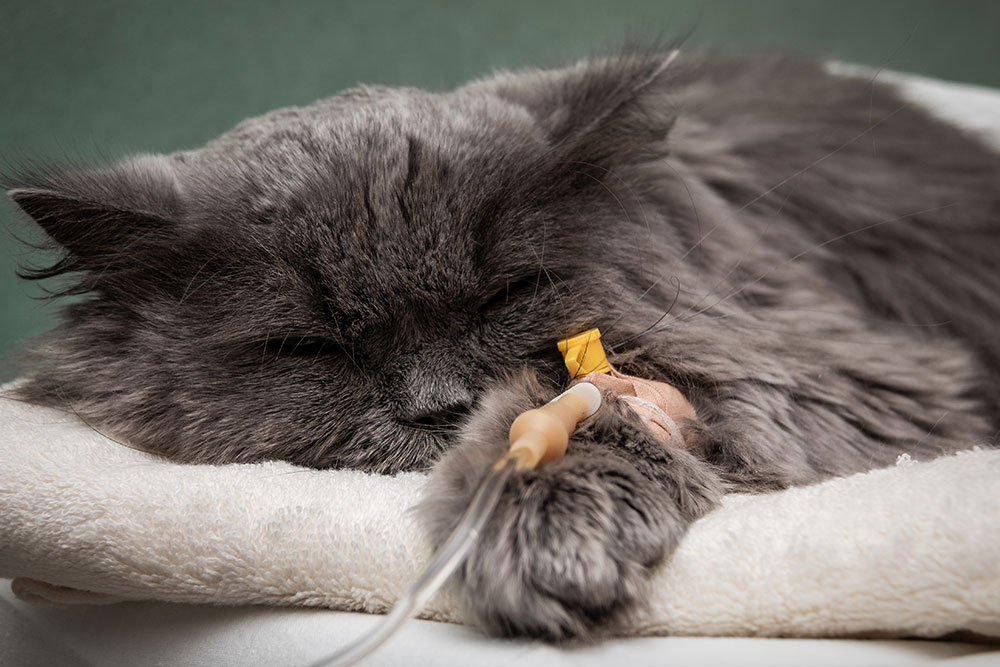
Chemotherapy is tailored to each pet’s needs, aiming to minimize side effects while slowing or stopping cancer growth. We prioritize comfort and owner education, including guidance on safe handling of chemotherapy at home. We also discuss chemotherapy cost and referral options to make treatment accessible for every family.
Targeted Treatment Through Radiation
Radiation can target remaining cancer cells after surgery or shrink inoperable tumors. We help coordinate care and connect families with accredited radiation facilities as part of a comprehensive treatment plan.
Harnessing Your Pet’s Immune System to Fight Cancer
New therapies like immunotherapy harness your pet’s immune system to fight cancer naturally. These options are rapidly advancing, offering hope for cases once considered untreatable. Our veterinarians stay informed about the latest developments to guide clients through all available options.
Palliative Support for Pets to Preserve Quality of Life
Even when cure isn’t possible, quality of life remains our top priority. Our team provides pain management, nutritional support, and comfort care to make every day the best it can be. We also offer end-of-life support with compassion and dignity. The cancer care resources available today ensure families never face these decisions alone.
Advanced Veterinary Oncology with a Personal Touch
Cancer is a heavy word, but at Carolina Virginia Animal Hospital, it doesn’t have to mean the end of hope. Our dedicated team combines decades of experience, compassionate care, and advanced medical technology to help pets live longer, more comfortable lives.
If you’ve found a new lump, noticed weight loss, or seen changes in your pet’s energy, contact our caring team today. Schedule an appointment through our contact page or stop by to meet our team. Together, we’ll ensure your pet receives the best possible care because here, you’re family.