
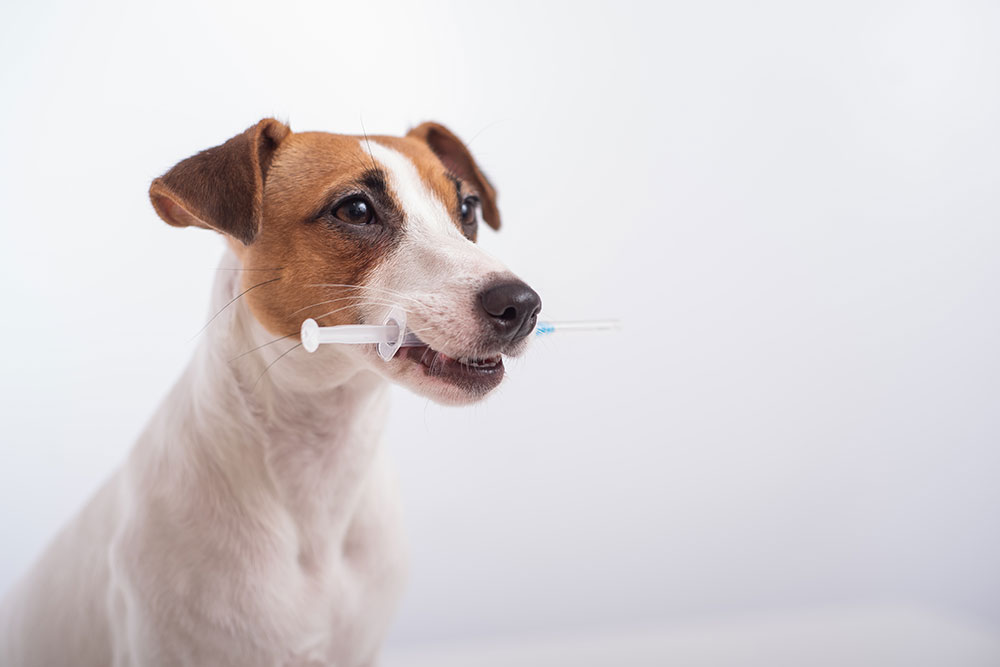
Dog Daycare 101: What to Ask Before You Enroll Your Dog
Dog daycare can feel like the perfect solution for giving your pup a fun place to burn off energy and make friends while you’re at work. Coming home to a tired, happy dog instead of one who has been “redecorating” your couch cushions is a beautiful thing. But with so many facilities out there, how do you know which one will actually keep your dog safe and healthy?
Picking the right daycare is a big decision, and it’s completely normal to feel overwhelmed by the options. You want a well-managed environment where your dog will have a great experience, and that starts with asking the right questions about health policies, safety standards, and how they handle the unexpected.
Understanding daycare basics is part of being a prepared pet owner. As a family-owned practice serving the Providence, NC community for over forty years, Carolina Virginia Animal Hospital wants you to feel confident in your choice. Our experienced team can help you navigate vaccine requirements, health protocols, and whether daycare is even the right fit for your individual dog. If you need help preparing, reach out to us or learn more about our wellness and preventative care services.
What Questions Should You Ask When Looking at Dog Daycares?
Quality varies significantly across daycare facilities, and the best way to choose confidently is to ask clear questions and match the environment to your dog’s personality.
Key questions to ask any facility:
- What health and vaccination records are required, and how do you verify them?
- How are dogs grouped throughout the day, and what’s your staff-to-dog ratio?
- How do you handle illness, injuries, or emergencies?
- How often are play areas cleaned and sanitized?
- What happens when a contagious disease is suspected or confirmed?
- Do you offer trial sessions before full enrollment?
Getting satisfactory answers to these questions helps you feel comfortable with your choice. And to make sure your dog is ready from a health standpoint, scheduling routine wellness and preventative care ensures vaccines, parasite protection, and overall health are current before the first day.
What Does a Good Dog Daycare Actually Provide?
How Does Structured Socialization Help Your Dog?
A well-run daycare offers much more than a room full of dogs playing together. It provides structured play, careful introductions, and respect for each dog’s individual limits.
Safe, guided play builds confidence and can reduce problem behaviors like excessive barking or destructive chewing at home. Staff should plan routines, supervise introductions with calm dogs first, and encourage cooperative games so play stays friendly. Thoughtful social experiences support socializing your dog in ways that teach polite boundaries rather than reinforcing bad habits.
What structured socialization looks like:
- Balanced activities including fetch, gentle chase, sniffing games, and scheduled rest breaks
- Supervised meet-and-greets that pair new dogs with calm, confident playmates
- Clear rules around toys and food to prevent resource guarding
- Staff who actively manage energy levels and redirect overstimulation
If you have questions about your dog’s behavior or readiness for group play, our team can discuss temperament and simple strategies to make daycare successful.
Is Daycare the Right Fit for Every Dog?
Honestly? No, and that’s completely okay. Some dogs thrive in busy group settings, while others prefer quieter environments, one-on-one time, or shorter visits. Understanding your dog’s dog tolerance level helps you decide what’s actually best for them.
Signs daycare might not be ideal:
- Your dog gets overwhelmed or shuts down in busy, noisy environments
- They guard toys, food, or space from other dogs
- They have mobility concerns or tire quickly due to age or health conditions
- They show signs of stress after daycare visits rather than happy tiredness
If full-day group daycare isn’t the right fit, alternatives like small playgroups, solo enrichment visits, dog walkers, or structured one-on-one activities might serve your dog better.
A pre-daycare wellness visit can uncover health or behavioral factors that affect group play. If your pet needs to stay away from home and daycare isn’t the right fit, our boarding services provide spacious, climate controlled kennels with walks and medical oversight.
How Do You Evaluate a Dog Daycare Facility?
What Safety Standards Should You Look For?
Touring a facility while dogs are actually playing helps you see how staff manage safety, health, and group dynamics in real time. You should feel welcome to ask questions and get clear, direct answers.
Quality indicators to assess:
| Area | What to Look For |
| Supervision | Clear staff-to-dog ratios, continuous attention, no distracted employees |
| Grouping | Dogs separated by size, age, energy level, and play style |
| Sanitation | Written cleaning protocols, routine sanitization, no strong odors |
| Rest periods | Scheduled quiet time, separate rest areas, water always available |
| Safety features | Slip-resistant flooring, secure fencing, shade for outdoor areas |
| Transparency | Incident reports provided, staff training documented, daily updates offered |
Facilities that welcome your questions and provide clear policies show they take safety seriously. If you want help assessing your dog’s readiness or knowing what questions to ask, reach out to us for a pre-daycare evaluation.
What Does Healthy Play Actually Look Like?
Watching a group in action tells you a lot about staff skill and how comfortable the dogs really are. Recognizing canine body language helps you evaluate what you’re seeing.
Signs of healthy play:
- Loose, wiggly bodies and curved approaches
- Play bows (front end down, rear end up)
- Dogs taking turns chasing and being chased
- Frequent voluntary pauses where both dogs check in
- Easy disengagement when one dog needs a break
Warning signs that require intervention:
- Prolonged staring or stiff posture
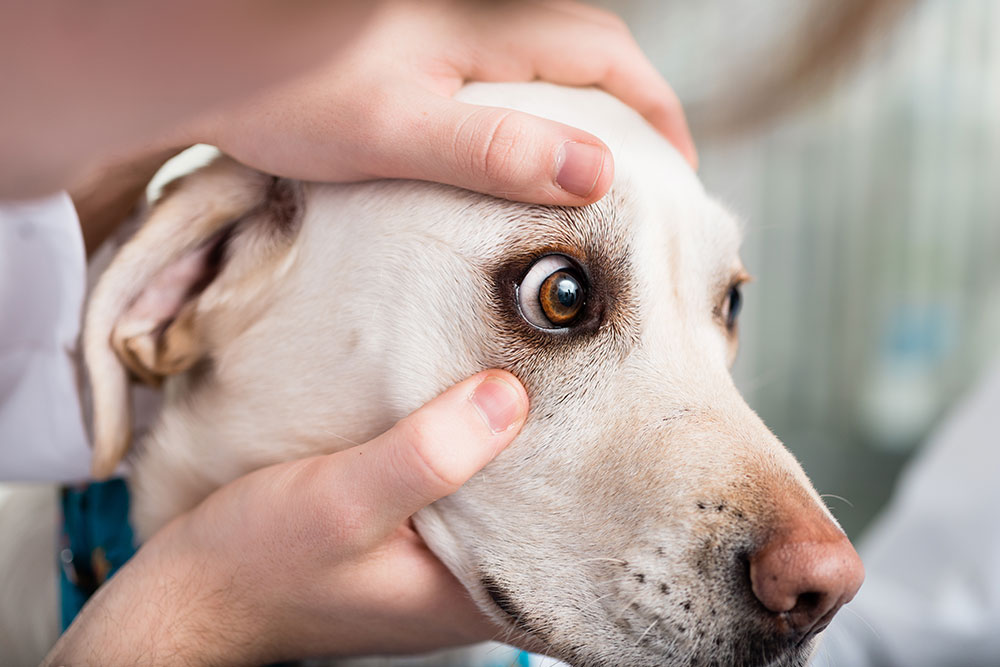
- Tucked tails, ears pinned back, or whale eye (showing whites of eyes)
- Escalating mounting behavior
- One dog repeatedly trying to escape while another pursues
- Vocal distress or snapping
Facilities that demonstrate skill at guiding safe group play with appropriate staff intervention protect all the dogs in their care. Before enrollment, consider scheduling a behavior chat with our team to set your dog up for success.
What Health and Vaccination Requirements Should You Expect?
Which Vaccines and Parasite Prevention Are Typically Required?
Daycares require proof of current vaccinations and parasite prevention to protect your dog and everyone in the playgroup. These requirements aren’t arbitrary; they’re based on the real risks of group environments.
Common requirements include:
| Requirement | Why It Matters |
| Rabies | Required by law; protects against fatal disease |
| DHPP/DAPP | Protects against distemper, hepatitis, parvovirus, parainfluenza |
| Bordetella | Reduces kennel cough risk in close-contact settings |
| Canine influenza | Spreads rapidly in group environments |
| Leptospirosis | Recommended when outdoor exposure or local risk exists |
| Fecal testing | Screens for intestinal parasites that spread through shared spaces |
| Year-round prevention | Protects against heartworm, fleas, and ticks |
Most facilities also require a symptom-free waiting period after illness before dogs can return.
Tips for staying organized:
- Keep vaccination records easily accessible (phone photos work great)
- Note when boosters are due so you don’t miss deadlines
- Ask about specific requirements before your dog’s first day
We handle vaccination updates, fecal screening, and prevention planning through wellness and preventative care. When questions come up, our diagnostics allow for quick testing.
What Contagious Diseases Can Spread in Daycare Settings?
Group environments increase exposure to infectious illness. Good facilities minimize risk through cleaning protocols, proper ventilation, prompt isolation of sick dogs, and clear health policies.
Parvovirus
Canine parvovirus spreads through feces and contaminated surfaces, and the virus can survive in the environment for months. Puppies and dogs with incomplete vaccine series are most vulnerable. Signs include lethargy, vomiting, bloody diarrhea, and loss of appetite.
Staying current on vaccines and avoiding group settings until your puppy is fully protected significantly reduces risk. If your dog develops gastrointestinal symptoms after any group exposure, contact us promptly. We can evaluate quickly using in-house diagnostics.
Leptospirosis
Leptospirosis spreads through water or soil contaminated by wildlife urine. Areas with standing water after rain or near ponds increase exposure. This bacterial infection can cause serious kidney and liver damage and can also spread to humans, making prevention especially important.
Many daycares recommend leptospirosis vaccination for dogs who spend time outdoors or in facilities with outdoor play yards. We can discuss local risk and timing during a wellness visit.
Oral Papilloma Virus
The oral papilloma virus spreads through close contact and mouth-to-mouth play, causing small wart-like growths around the lips or inside the mouth. Dogs with active lesions are typically excluded from daycare temporarily to protect others.
Most cases resolve on their own within a few months, but evaluation helps confirm the cause. If you notice new bumps around your dog’s mouth, we can examine them and advise on safe timing for return to group play.
Respiratory Infections
The canine respiratory disease complex, commonly called kennel cough, and canine influenza spread through respiratory droplets in shared air. Symptoms include coughing, sneezing, nasal discharge, fever, and lethargy.
Good ventilation, Bordetella and flu vaccination, and prompt isolation of symptomatic dogs help limit spread. Call us if you notice persistent coughing, difficulty breathing, reduced appetite, or worsening symptoms. Our diagnostics help identify respiratory illness quickly and guide return-to-daycare timing.
What About Parasites and Skin Conditions?
Intestinal Parasites and Giardia
Communal outdoor areas can expose dogs to parasite eggs or cysts in soil and shared water sources. Giardia is particularly common and can cause soft stools, diarrhea, and gas. Some infected dogs show no symptoms but still shed the parasite.
Many facilities require proof of recent fecal screening and consistent preventive medication. We offer testing and prevention planning through our comprehensive wellness and preventative care.
Ringworm, Fleas, and Mange
Close contact during play can spread skin conditions quickly. Ringworm is a contagious fungal infection causing circular patches of hair loss. Fleas spread readily in groups and can lead to secondary skin problems. Sarcoptic mange causes intense itching and spreads through direct contact.
If you suspect a skin problem:
- Keep your dog home and avoid contact with other pets
- Call us for evaluation and treatment
- Inform the daycare so they can sanitize and notify other families
We can diagnose and treat skin and parasite issues quickly, then advise on safe timing for return to group play.
What Injuries Can Happen During Daycare?
Eye Irritation and Conjunctivitis
Chase games, dust, and enthusiastic play can irritate eyes. Signs of conjunctivitis include redness, squinting, discharge, rubbing at the face, or light sensitivity. Eye problems can worsen quickly, so schedule an evaluation if symptoms don’t improve within 24 hours.
Our team provides timely eye care and can use diagnostics when needed to rule out scratches or other injuries.
Bite Wounds and Scratches
Even friendly dogs occasionally have disagreements. Bite wounds may look minor on the surface but can be deeper than they appear. Punctures sometimes seal over quickly, trapping bacteria underneath.
Clean any wound gently and contact us the same day to reduce infection risk. We examine wounds carefully and provide clear aftercare instructions to help your dog heal comfortably.
How Do You Prepare Your Dog for Daycare Success?
What Happens During a Trial Session?
Most quality facilities start with a short evaluation to learn your dog’s play style and comfort level. Be honest about behavioral quirks, anxiety history, mobility issues, and any medical needs. Staff can’t set your dog up for success if they don’t have complete information.
How Can You Build Positive Associations?
Gradual introduction helps dogs adjust to daycare with less stress.
Strategies that help:
- Start with short visits before committing to full days
- Keep drop-offs calm and brief (prolonged goodbyes can increase anxiety)
- Maintain consistent routines at home
- Pack familiar treats and ensure your dog has a well-fitted collar with current ID
Older dogs may prefer shorter sessions with more rest breaks. If mobility or chronic pain is a concern, our team can advise on supportive care to make group time enjoyable.
Why Partner With Your Veterinarian for Daycare Decisions?
Combining thoughtful facility selection with veterinary guidance keeps daycare fun and safe. We can update vaccines, evaluate temperament, plan parasite prevention, and prepare documentation for enrollment. If concerns arise after your dog starts daycare, we’re here to help figure out what’s going on.
Carolina Virginia Animal Hospital has served Providence families for over four decades, and we understand local health risks and community resources. If you’re ready to get started, reach out to us for a readiness check and vaccine updates.
Frequently Asked Questions
What age can my puppy start daycare?
Most facilities require puppies to complete their core vaccine series, typically around 16 weeks. Some accept younger puppies in separate, controlled groups. Ask your chosen daycare about their specific policies and bring your vaccination records.
How often should my dog attend daycare?
Start with half-days once or twice a week, then increase based on how your dog responds. Watch for signs of happy tiredness versus stress or exhaustion. Some dogs thrive with daily visits; others do better with occasional sessions.
What if my dog seems stressed after daycare?
Some adjustment is normal, but ongoing stress signals that something isn’t working. Signs include excessive panting, hiding, loss of appetite, or behavioral changes at home. Talk to the facility about what they observed and consider whether a different environment might suit your dog better.
What if my dog comes home sick or injured?
Mild fatigue after active play is normal. However, coughing, vomiting, diarrhea, limping, or unusual lethargy warrants attention. Keep your dog home and contact us with questions.
Can senior dogs go to daycare?
Many older dogs enjoy social time, but activity levels and health conditions matter. Shorter sessions, gentler playmates, and more rest breaks often work well. We can help assess whether daycare is appropriate for your senior dog.
Ready to Find the Right Daycare for Your Dog?
Choosing daycare is about matching your dog’s personality and health needs with a safe, well-managed environment. Keep vaccines and parasite prevention current, look for staff who supervise attentively, and watch for signs of healthy, balanced play. Trust your instincts, and don’t hesitate to ask questions.
If you’re unsure about readiness or requirements, we’re here to help with practical guidance. Reach out to us to update records, discuss behavior, or schedule a pre-daycare wellness visit through our wellness and preventative care services. We’re your partner in keeping daycare fun, safe, and stress-free.



Leave A Comment