

Understanding Kennel Cough: The Common Cold of the Canine World
Dogs who frequent parks, boarding facilities, or daycare are at higher risk for kennel cough. This bacterial and viral infection spreads through airborne droplets but is often preventable with vaccination. Early treatment helps avoid complications and speeds recovery.
At Carolina Virginia Animal Hospital in Providence, NC, our team has served families and their pets for over 40 years. We understand that a new cough after boarding or daycare can raise concerns, and we’re here to provide the diagnosis, treatment guidance, and prevention planning you need to protect your dog and the broader community.
What Causes That Distinctive Honking Cough in Dogs?
“Kennel cough” is the common name for canine infectious respiratory disease complex (CIRDC), a group of viral and bacterial pathogens that produce similar respiratory signs. Rather than a single illness, CIRDC represents multiple infectious agents working alone or together to inflame the airways.
The most common culprits include Bordetella bronchiseptica (a bacterium), canine parainfluenza virus, and canine adenovirus type 2. These pathogens spread rapidly through airborne droplets when dogs cough, sneeze, or bark. Direct nose-to-nose contact, shared water bowls, communal toys, and contaminated surfaces also transmit infection, especially in crowded indoor spaces with poor ventilation.
Dogs typically show signs two to 10 days after exposure, and they can spread the infection before symptoms appear. This silent contagious window makes kennel cough particularly challenging to control in social settings like boarding facilities, grooming salons, training classes, shelters, and dog parks.
Recognizing the Signs of Canine Kennel Cough
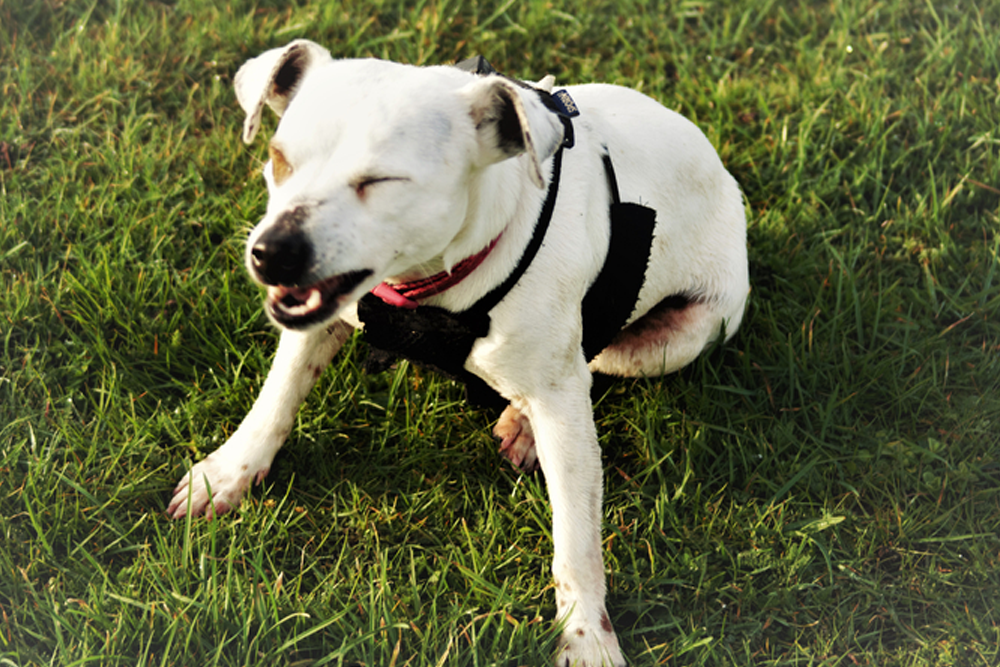
Most dogs with kennel cough develop a distinctive honking or hacking cough that sounds harsh and dry. The cough often worsens with excitement, exercise, or pressure on the neck from a collar. Many dogs gag or retch at the end of a coughing fit, sometimes producing small amounts of white foam or mucus.
Other mild to moderate signs of kennel cough include:
- Runny nose and watery eyes
- Mild lethargy or reduced appetite
- Low-grade fever
- Sneezing or reverse sneezing
Despite the cough, most affected dogs remain alert, playful, and interested in food. These uncomplicated cases typically resolve within one to three weeks with supportive care and rest.
How Easily Does Kennel Cough Spread to Other Dogs?
Kennel cough is highly contagious in environments where dogs gather. Boarding facilities, daycare centers, groomers, dog parks, and training classes all present increased risk because infected dogs shed the pathogens before showing symptoms.
Once your dog develops a cough, isolation becomes critical. Keep your dog away from other dogs until our veterinary team clears them to return to social activities. At home, separate coughing dogs from other pets, wash your hands thoroughly after handling them, and disinfect shared surfaces, bowls, and toys with appropriate cleaners.
When Kennel Cough Becomes Something More Serious
While most cases remain mild, kennel cough can lead to complications that require more intensive treatment.
- Pneumonia develops when infection moves deeper into the lungs. Dog pneumonia causes fever, significant lethargy, loss of appetite, and labored breathing. Dogs with pneumonia need antibiotics, supportive care, and close monitoring. Our diagnostic imaging capabilities, including digital X-rays, help identify pneumonia early and guide treatment decisions.
- Some conditions mimic kennel cough but require different approaches. Collapsed trachea in dogs, especially common in toy breeds like Chihuahuas and Yorkshire Terriers, produces a chronic honking cough triggered by excitement or leash pressure. Unlike kennel cough, collapsed trachea is a structural problem rather than an infection and needs long-term management.
- Difficulty breathing (dyspnea) from heart disease, airway obstruction, or other serious conditions can also present with coughing. Distinguishing between these possibilities requires a thorough examination and sometimes advanced diagnostics.
Emergency Signs: When to Seek Immediate Care
While most kennel cough cases remain mild, certain signs require urgent attention. Contact us immediately if your dog experiences:
- Struggling to breathe, blue or pale gums, or open-mouth breathing at rest
- Persistent high fever with significant lethargy
- Refusal to eat or drink for more than 24 hours
- Coughing fits that cause collapse or severe vomiting
Respiratory distress in pets is a medical emergency. Our experienced team provides prompt evaluation and stabilization when your dog needs it most. To make decisions about medical care easier for you, Carolina-Virginia Animal Hospital’s Care Plans offer predictable monthly payments that include exam fees and preventive services. With 24/7 Live Chat access through the pet portal app, you can quickly connect with veterinary professionals if you have concerns about your dog’s cough. These plans help ensure your pet’s care stays consistent, affordable, and stress-free- whether at home or at the clinic.
How Do Veterinarians Diagnose Kennel Cough?
Diagnosis typically begins with your dog’s history. Recent exposure to boarding, daycare, grooming, or dog parks raises suspicion for kennel cough. During the physical exam, our veterinarians listen carefully to your dog’s lungs and airways and may gently palpate the trachea to assess for the characteristic cough response.
For straightforward cases in otherwise healthy dogs, this clinical assessment is often sufficient. However, when signs are severe, prolonged, or accompanied by fever and lethargy, additional testing helps rule out complications. PCR panels identify specific respiratory pathogens, and chest radiographs evaluate for pneumonia or structural airway problems.
Treatment: Supporting Your Dog’s Recovery
Most dogs with uncomplicated kennel cough recover with rest and supportive care at home. Key management strategies include:
- Rest and reduced activity to avoid triggering coughing fits
- Humidified air from a vaporizer or steamy bathroom to soothe irritated airways
- Switching to a harness instead of a collar to eliminate pressure on the trachea
- Cough suppressants or anti-inflammatory medications as prescribed by your veterinarian
- Maintaining hydration and nutrition to support immune function
Antibiotics are not always necessary. Because many cases involve viral pathogens, antibiotics only help when bacterial infection is suspected or complications develop. Our team evaluates each case individually to determine the most appropriate treatment plan.
If your dog’s cough persists beyond the expected recovery period or if new signs develop, schedule a recheck. Monitoring ensures that complications are caught early and managed effectively.
Preventing Kennel Cough: Vaccines and Practical Steps
Prevention starts with vaccinations for dogs. Core vaccines protect against canine adenovirus type 2 and parainfluenza virus, while the Bordetella vaccine specifically targets the most common bacterial cause of kennel cough. These vaccines reduce disease severity and limit spread, though they don’t guarantee complete protection because multiple pathogens can cause CIRDC.
Our wellness and preventative care programs ensure your dog stays current on vaccinations and receives boosters at appropriate intervals. Boarding facilities and daycare centers typically require Bordetella vaccination, often administered intranasally or orally for faster immunity.
Planning ahead is essential. Schedule vaccine boosters at least one to two weeks before boarding to allow full immunity to develop. Confirm your facility’s vaccine requirements and illness policies, and consider bringing your own bowls and avoiding shared toys to minimize exposure.
Environmental factors also matter. Well-ventilated spaces, routine disinfection, and isolating coughing dogs all reduce transmission risk. During outbreaks, avoid crowded indoor events and dog parks until case numbers decline.
At Carolina-Virginia Animal Hospital’s boarding facility, strict vaccination requirements and cleanliness protocols help protect every guest from kennel cough and other contagious illnesses. The facility is clean, spacious, and climate-controlled, with secure enclosures, monitored safety systems, and individualized attention from dedicated staff. Because it’s directly connected to a full-service veterinary hospital, pets receive immediate medical attention if ever needed, providing an added layer of reassurance for owners.
Protecting Your Dog From Kennel Cough Starts with Partnership
Kennel cough is common, contagious, and usually manageable with timely veterinary guidance. Most dogs recover fully with rest and supportive care, but complications can develop without proper monitoring.
At Carolina Virginia Animal Hospital, we’ve built our reputation on treating clients like family and making high-quality care accessible. Whether your dog needs a wellness exam, vaccine updates, or evaluation for a new cough, our dedicated team is here to help.
If your dog develops a cough after boarding, daycare, or dog park visits, don’t wait. Call us or contact us online to schedule an appointment. Together, we’ll keep your dog healthy and protect the pets in our community.



Leave A Comment